



The Science of Tuning Musical Instruments
- What is tuning?
- What does "My instrument is out of tune" mean?
- Why do instruments go out of tune?
- So how is tuning done?
What is tuning?
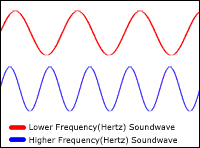 Tuning is the process of adjusting the pitch of one or many tones from musical instruments until they form a desired arrangement. Pitch is the perceived fundamental frequency of a sound. Instruments basically just produce vibrations, and these vibrations produce the sound that we hear. The vibrations or soundwaves that an instrument produces are measured by hertz (symbol: Hz). One hertz simply means one cycle per second, 100 Hz means one hundred cycles per second, and so on. The average human can hear sounds between 20 Hz and 16,000 Hz. In music and acoustics, the frequency of the standard pitch A above middle C on a piano is usually defined as 440 Hz.
What does "My instrument is out of tune" mean?
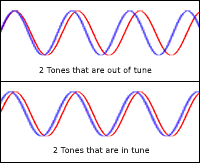 When an instrument is out of tune it means that the pitch or tone of the instrument is either too high or too low. If a tone is too high, it is considered sharp, if it is to low, then it is flat.
Why do instruments go out of tune?
Well, there are many factors why an instrument may go out of tune. Some instruments get 'out of tune' with damage or age (warping) when they will no longer play true and have to be repaired. Also changes in temperature and humidity can affect some sensitive instruments. As temperatures fluctuate, instruments may expand or contract. This causes the instrument to go slightly out of tune. On stringed instruments, brand new strings go out of tune quickly at first and need to be "broken in" at first. Also a string obviously can get out of tune if the tuning pegs or tuning devices are bumped or adjusted.
So how is tuning done?
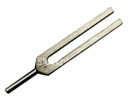
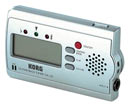
Tuning may be carried out by sounding two pitches and adjusting one of them to match or to relate the other. Several different devices may be used to produce the reference pitch such as, tuning forks, pianos, electronic tuning devices (such as our online tuners), and other instruments.
 |
 |
 |
Tuning Fork |
Piano |
Electronic Tuners |
So when you are tuning, you are trying to match the frequency, or vibration, of one note to another. If the two pitches you play are at different frequencies, it will produce a beating sound (kind of like "wah-wah-wah") which is called "Interference beats". As the two notes approach a harmonic relationship, the frequency of beating decreases. To get the note in tune you adjust the instrument until the beating slows down so much that it cannot be detected.
I admit it is a little hard to detect the Interference beats at first if you are new to instruments, but after time you will be able to detect it easier.
Now, that you have read up on a little about tuning, know it is time for you to get your instrument tuned! Check at our instruments page to select what instrument you have so you get to it!
